
As a pet store buyer in today’s competitive market, you need products that truly stand out. The demand for customized feline furniture is exploding, with cat owners actively seeking solutions that fit their specific space constraints, aesthetic preferences, and their cats’ unique behaviors. This comprehensive guide will transform your approach to cat climbing structures, providing everything you need to source or create bespoke solutions that outperform generic, mass-produced alternatives.
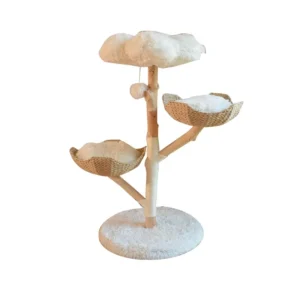
Why Customization is the Future of Feline Furniture
The one-size-fits-all approach no longer satisfies today’s discerning pet owners. Customization addresses several critical market needs while providing higher profit margins for retailers:
- Space Optimization: Tailored solutions for apartments, small homes, or unusually shaped rooms
- Aesthetic Integration: Furniture that complements modern, traditional, or eclectic home decor
- Behavioral Targeting: Structures designed for specific feline personalities and activity levels
- Multi-Cat Household Solutions: Configurations that accommodate multiple cats with varying needs
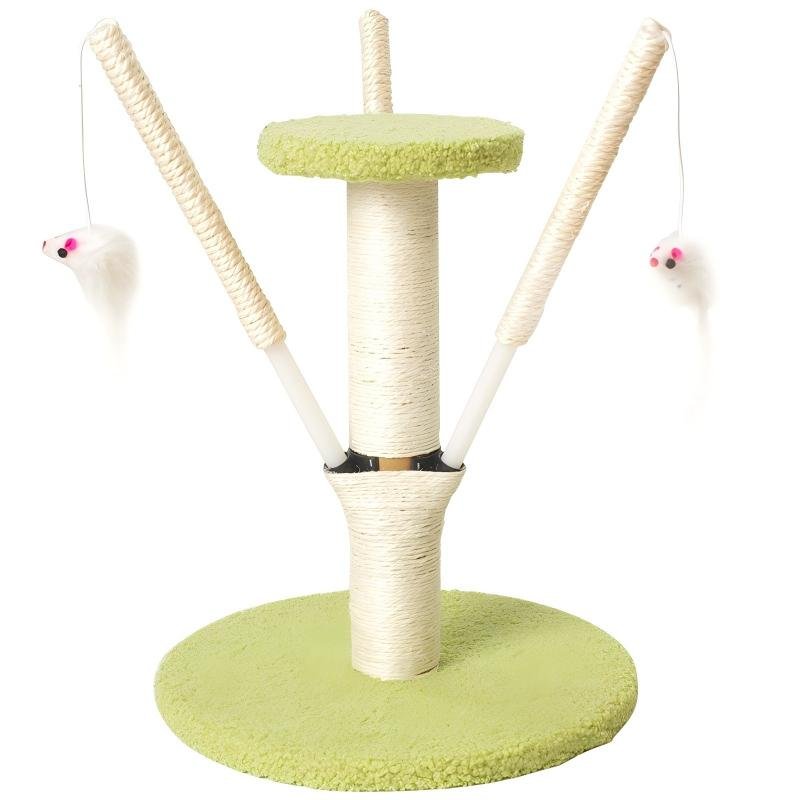
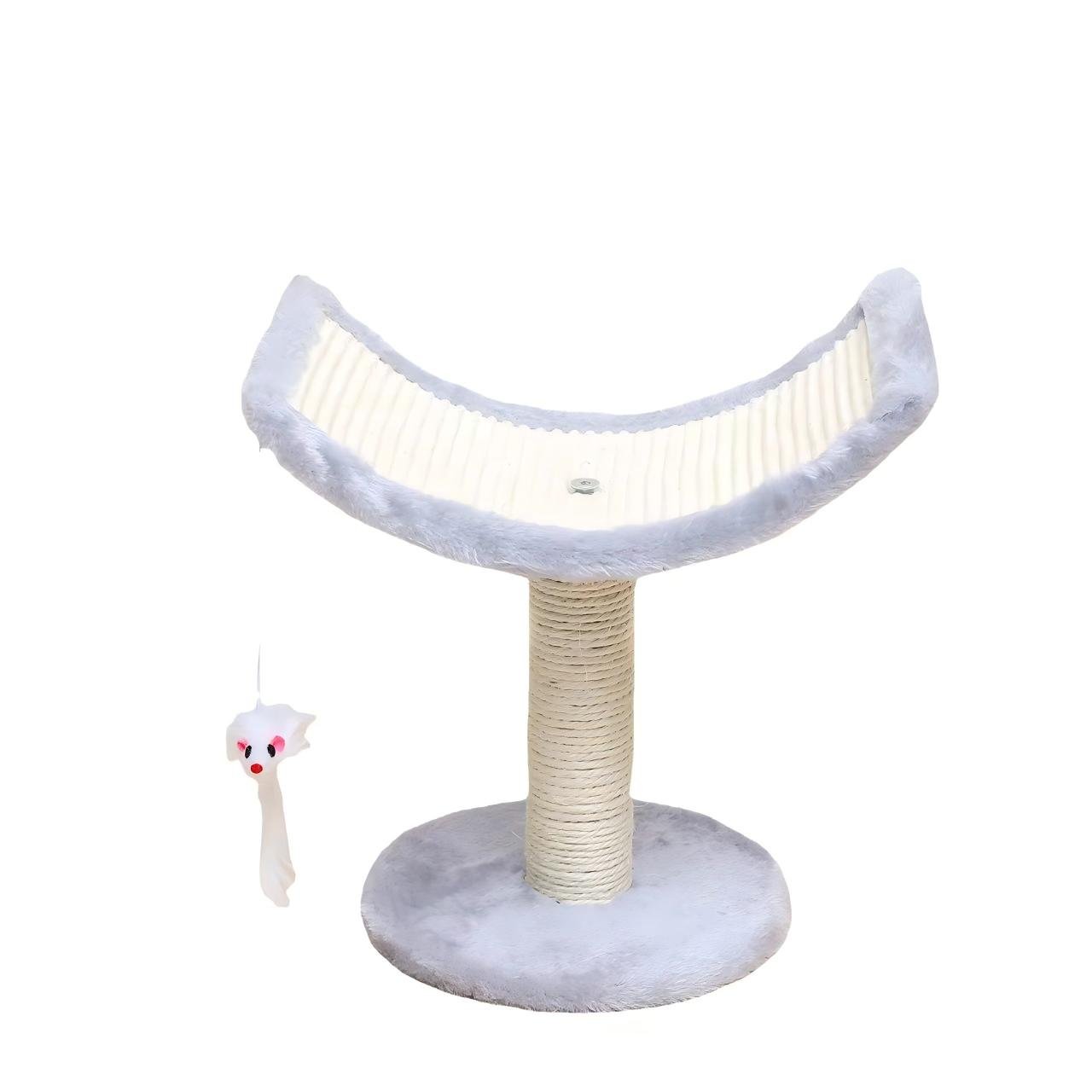
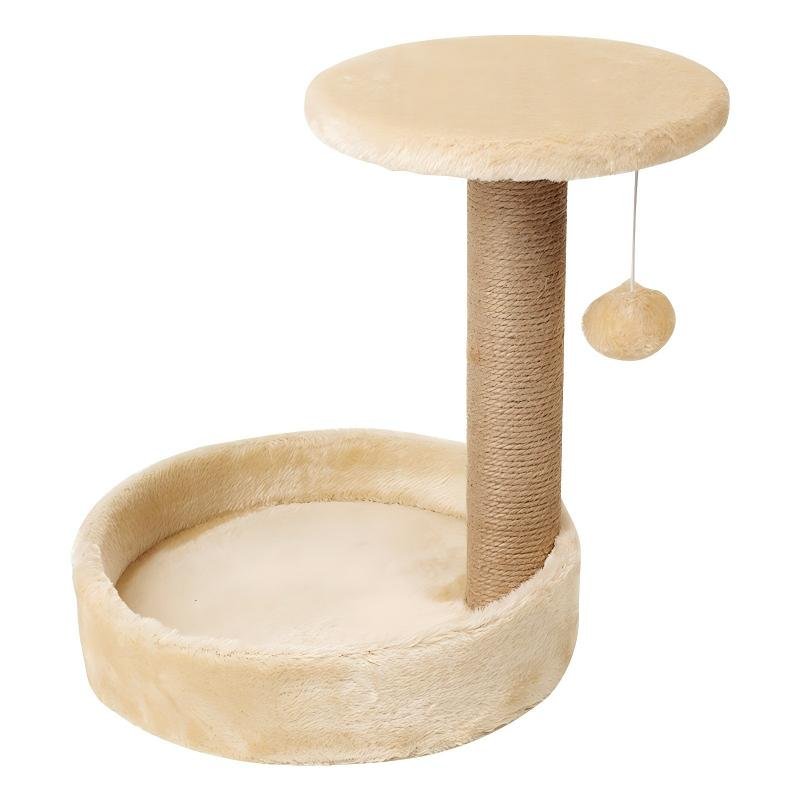
Understanding Feline Behavior: Why Design Matters
Successful customization begins with understanding cat psychology. Cats are territorial creatures with specific instincts that drive their preferences:
-
- Vertical Territory: Cats feel secure when they can survey their environment from above. Wall systems satisfy this instinct better than floor-based trees.
- Scratching Needs: Vertical scratching surfaces are preferred as they allow full stretching. Sisal rope satisfies the need to shred and mark territory.
Hiding vs. Perching:
- Shy cats prefer enclosed spaces while confident cats want open perches. Offering both options accommodates different personalities.
- Texture Preferences: Cats often show strong preferences for certain materials. Providing options increases usage.
- Thermoregulation: Cats seek both warm spots (in direct light) and cool surfaces. Material choices should accommodate both needs.

Step-by-Step Customization Process
Phase 1: Assessment and Planning
Begin with a thorough evaluation of the installation space and feline requirements. Measure dimensions, identify wall stud locations, and consider traffic patterns. Create a scaled drawing that includes all elements and their relationships.
Phase 2: Material Selection and Preparation
Choose materials based on durability, aesthetics, and ease of maintenance. Pre-cut components to specification and prepare surfaces (sanding, sealing) before assembly.
Phase 3: Assembly and Installation
Follow a logical assembly sequence, typically working from the ground up or from primary supports outward. Test stability at each stage and make adjustments as needed.
Phase 4: Finishing and Safety Checks
Apply final finishes, secure all loose elements, and conduct thorough safety inspections. Ensure all components can support intended weight with margin for dynamic movement.